
Getting Started with Slide Guitar
Slide guitar adds a unique, vocal-like quality to your playing. It needs technique, the right tools, and good ear training. Whether you love blues, country, or rock, knowing the basics is key to your unique sound.
Mastering slide guitar is all about controlling pitch and tone. This control depends on your slide-hand technique and the equipment you use.
Picking the Right Slide
Your slide choice greatly affects your sound and comfort. Slides vary in material and size, each giving a different sound. Common materials include:
- Glass: It has a warm, smooth tone. It’s light and easy to control, great for beginners and experts.
- Metal (Brass or Steel): It has a brighter, sharper sound with more sustain. Blues and rock players often choose it for its bold tone.
- Ceramic: It’s between glass and metal in tone, with warmth and firm sustain.
Slides come in different sizes, worn on fingers like the pinky or ring. This lets you play other notes with your other fingers. A good fit helps with tone and vibrato.

Essential Slide Technique Tips
Getting good at slide guitar takes patience and focus. Here are some basic tips to start with:
- Intonation and Precision: The slide glides above the fretboard, not pressing strings down. You need to place it exactly over the fret for clear notes. Small mistakes can cause bad sounds.
- Finger Pressure: Use just enough pressure to let the slide sound without muting the string. Too much pressure can dull the sound.
- Muting Techniques: It’s important to control string noise. Use your picking hand’s palm or slide hand’s unused fingers to mute strings.
- Vibrato Application: Vibrato adds life to slide notes. Rock the slide back and forth gently to give it a human voice-like quality.
- Open Tunings: Many players use open tunings (like open G or open D) for easier chord voicings and drone notes.
Choosing Your Guitar and Setup
Any guitar can work for slide, but some setups are better. These include:
- Strings: Thicker strings (like .013–.056) handle slide pressure better and sustain longer.
- Action Height: Higher string action reduces fret buzz from the slide, making notes clear.
- Pickup Selection: For electric guitars, single-coil pickups capture slide nuances well. Humbuckers add warmth and fullness.
For acoustic slide, a guitar with a resonant body and high-action setup will enhance your sound.
Practice Routines to Build Slide Mastery

Regular practice builds muscle memory and improves your ear. Try these exercises to focus on slide basics:
- Single Note Scales: Slide between notes on one string to improve intonation.
- Simple Melodies: Learn familiar tunes with the slide to sharpen precision and musicality.
- Chord Slides: Practice sliding through open chord shapes in various tunings.
- Vibrato Drills: Experiment with different vibrato speeds and widths to find your style.
Recording yourself helps spot areas for improvement and tracks your progress over time.
Exploring Resources for Deeper Learning
If you want to learn more about slide guitar, there are great resources out there. JustinGuitar’s slide lessons offer free tutorials for all skill levels. Also, Acoustic Guitar Magazine has expert tips and technique breakdowns for blues.
Slide Guitar into Your Style
Once you learn the basics, you can start adding slide guitar to your music. Try mixing slide phrases with regular notes and chords. This mix adds depth and emotion to your songs.
Listening to slide guitar legends like Duane Allman and Bonnie Raitt can inspire you. They can help you develop your own style and tone.
Mastering slide guitar takes patience and practice. With time, you’ll discover its soulful voice. This will add a new dimension to your music.
Choosing the Right Slide: Materials and Sizes for Optimal Sound
Choosing the right slide is key to mastering slide guitar. The material and size affect your tone and playability. Understanding these factors helps you find the perfect slide for your music.
Understanding Slide Materials and Their Tonal Qualities
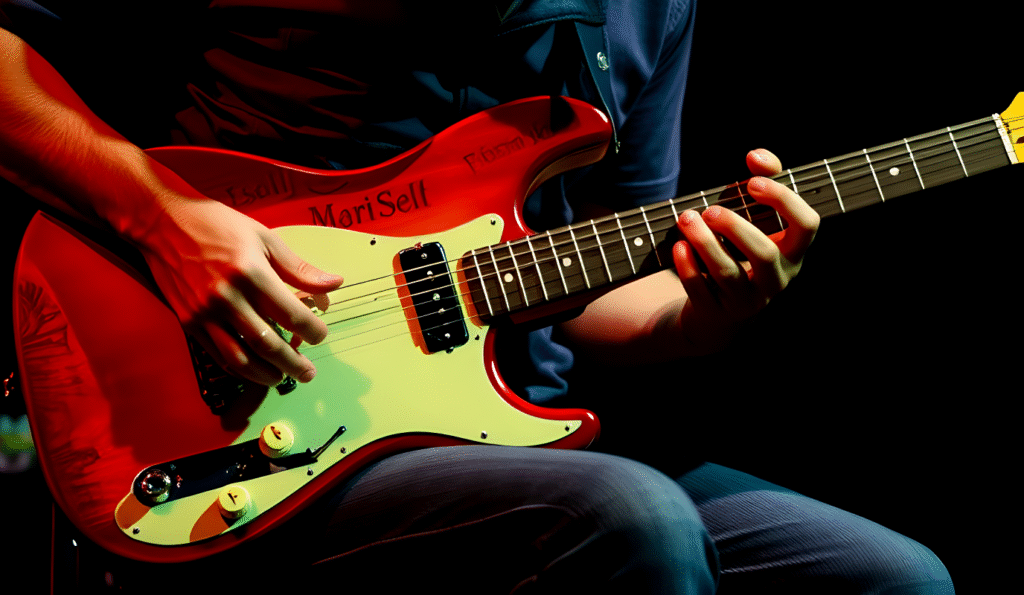
The material of your slide shapes the sound it produces. Each material changes how the strings sound, affecting sustain and tone. Here are some common materials:
- Glass: Glass slides give a warm, mellow sound. They’re great for a softer tone and easy string bending. They’re popular in blues and country for expressive playing.
- Metal (Steel or Brass): Metal slides have a brighter sound with more sustain. Steel is sharp and cutting, while brass is warmer. They’re good for rock and blues for a bold sound.
- Ceramic: Ceramic slides offer a clear, warm sound with good sustain. They’re durable and versatile, suitable for many music styles.
- Bottle Neck Slides: Made from old glass bottle necks, these slides have a unique sound. Handmade ones add a special touch to your playing.
Try different materials to see how they sound on your guitar. Your guitar’s pickups and playing style also affect the sound. You might find a metal slide works better on one guitar than another.
Choosing the Right Slide Size for Comfort and Control
The size of your slide is important for comfort and control. Slides come in various sizes, designed to fit your finger.
- Diameter: The slide should fit snugly without slipping. If it’s too loose, it slides off; too tight, it’s uncomfortable. Many players prefer slides around their ring or pinky finger for control.
- Length: Longer slides cover more of the finger and strings, making transitions smoother but less precise. Short slides offer more control but can cause string noises if not handled right.
Experiment with different finger positions when trying slides. Some prefer the middle finger, others the pinky or ring finger. Find a size and fit that lets you move easily and stay in contact with the strings.
Additional Tips to Optimize Your Slide Guitar Sound
Besides material and size, other factors can enhance your slide guitar experience:
- Weight: Heavier slides produce more sustain and a louder sound, while lighter slides offer easier control but shorter sustain.
- Texture: Smooth slides glide better on strings and reduce unwanted friction noise, but some players like a slight texture for grip.
- Open vs. Closed Slides: Open slides are tubes open at one end, often preferred for their resonant effect. Closed slides cover the entire fingertip, often preferred for tonal consistency.
Consider trying slides from reputable brands like Dunlop, who offer a variety of shapes and materials. They suit all skill levels. You can explore options and get expert advice at the Jim Dunlop website.
Experimenting with Slide Techniques Alongside Your Slide Choice
Your slide selection pairs closely with your playing technique. Adjusting pressure and finger position can drastically alter your tone and clarity. Too much pressure dampens the vibration, creating a dull sound, while too little causes buzzing and unwanted string noise.
Practice sliding smoothly along the fretboard without pressing too hard. Also, ensure your guitar is properly intonated when playing slide, as slight pitch adjustments can occur due to the change in how the string contacts the fretboard compared to fretted notes.
If you’re curious about tuning and other advanced slide guitar techniques, resources like JustinGuitar provide excellent tutorials. They focus on slide guitar fundamentals.
Selecting the right slide involves balancing material, size, and weight according to your style and tone preference. Take time to try several slides, notice how each affects your sound, and match it to your musical goals. With the right slide in hand, you’ll unlock new expressive possibilities in your slide guitar journey.
Tunings and Scales That Enhance Slide Guitar Playing

Discovering the Right Tunings for Slide Guitar Playing
Choosing the appropriate tuning can dramatically enhance your slide guitar playing experience. Unlike standard guitar tunings, slide guitar often benefits from open tunings. These tunings allow you to play chords and melodies with ease using the slide.
One of the most popular tunings for slide guitar is Open G tuning (D-G-D-G-B-D). This tuning simplifies major chords, letting you play them by strumming all strings open or with the slide positioned straight across one fret. Open G is common in blues and rock slide playing styles, as it offers a rich, full sound and easy access to traditional blues licks.
Another widely used tuning is Open D tuning (D-A-D-F#-A-D), which gives a slightly deeper and darker tone compared to Open G. Open D tuning is favored by many slide players for blues, folk, and country music. It provides a natural sounding major chord that resonates beautifully in slide passages.
If you’re looking to explore a different sound, Open E tuning (E-B-E-G#-B-E) offers brightness and sustain. It’s excellent for blues and rock slide solos. Open E tuning pitches the strings higher than Open D and G, adding a vibrant energy to your slide playing.
Some players prefer DADGAD tuning (D-A-D-G-A-D), which isn’t an open chord but allows for rich harmonic possibilities. This tuning works well for slide guitarists who want to blend slide techniques with fingerstyle playing or create modal sounds beyond the typical major chord slides.
Essential Scales to Master for Expressive Slide Guitar
Beyond tuning, mastering the right scales is key to unlocking expressive slide guitar playing. The scales you use control the mood and feel of your playing, whether you’re going for soulful blues or bright country tones. Here are essential scales to incorporate into your slide guitar practice:
- Pentatonic Scale: The minor pentatonic scale is key in slide guitar music. It’s a simple five-note pattern that’s easy to play with a slide. This scale avoids harsh sounds, making slides smooth and vocal-like. Try it in Open G or D tuning to enhance the slide’s vocal quality.
- Blues Scale: The blues scale adds a “blue note” to the pentatonic scale. This note, often the flat fifth or sharp fourth, brings more emotion to your playing. Sliding into these notes can create that classic blues feel, adding depth to your solos.
- Major Scale: The major scale is great for playing in open tunings. It creates sweet, melodic lines perfect for country and folk slide guitar. It helps you make brighter, more upbeat melodies when used with chords.
- Mixolydian Mode: This scale gives a bluesy, slightly modal feel by flattening the seventh note of the major scale. Exploring Mixolydian sounds can add a fresh, rootsy twist to your slide guitar, fitting various genres.
Tips for Combining Tunings and Scales Effectively
To make the most of these tunings and scales, mix them in your practice. Slide through the pentatonic and blues scales in Open G and Open D tunings. Then, try the major scale or Mixolydian mode in tunings like DADGAD. This helps you get familiar with the fretboard and the slide’s touch, leading to smoother transitions and more dynamic playing.
Remember, slide guitar is all about feel and tone. Don’t be afraid to try tunings that sound good to you. Let your slide move naturally over the strings. Focus on intonation by stopping your slide directly above the fret to hit notes in tune. Using the right tuning with complementary scales adds emotion and soul to every note.
For more lessons and tips, check out JustinGuitar. They offer slide guitar tutorials for all skill levels.
Explore these tunings and scales to develop your unique slide guitar style. See how different keys and modes inspire new melodies. With regular practice, your slide guitar playing will become more expressive, versatile, and fun.
Common Mistakes to Avoid When Learning Slide Guitar
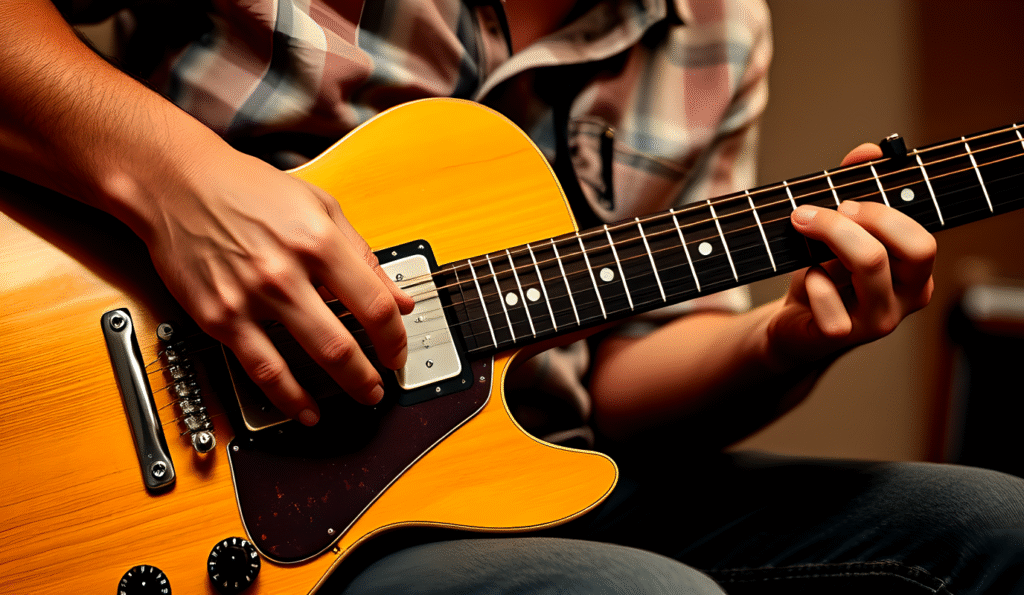
Mastering the Basics Without Skipping Steps
Many players rush to mimic their favorite artists without mastering the basics. This can lead to poor tone, intonation problems, and bad habits. Focus on proper hand positioning, understanding the slide’s role, and practicing clean slide techniques on single strings before tackling complex chords or fast runs.
Choosing the Wrong Slide and Guitar Setup
Choosing the wrong slide or guitar setup is a common mistake. Slides come in glass, metal, and ceramic, each with its own tone. A slide that’s too loose or too tight affects playability and comfort. Also, the guitar’s setup is important. Higher action prevents string buzzing caused by the slide pressing down too hard. If the action is too low, slide playing will be hard and inaccurate.
The Importance of Muting Strings Effectively
Controlling string noise is a big challenge in slide guitar. New learners often overlook muting, leading to extra noise and muddy sounds. Develop good muting techniques by using your palm or remaining fingers to silence strings not being played. It takes practice, but is essential for a clean slide guitar sound.
Applying Too Much Pressure with the Slide
Applying too much pressure on the slide is a common mistake. The slide acts like a movable fret, so use a light touch. Pressing too hard causes fret buzz and intonation issues, and tires your hand. Instead, let the slide gently rest on the strings for smooth glides and vibrato. Experiment with different pressures to find a balance that keeps the tone clear.
Not Listening Intently to Intonation
Slide guitar needs sharp ears. Beginners often slide without checking if the notes sound right. Unlike fretting, where the fret sets the pitch, the slide’s accuracy relies on precise placement.
Play slow and listen closely, using a tuner if needed. Adjust the slide’s position to ensure the notes sound true. Developing your ear for correct intonation is key for a polished sound.
Neglecting the Basics of Vibrato and Tone Control
Many beginners rush to play fast slide licks, forgetting the importance of vibrato. Good vibrato comes from gently rocking or shaking the slide on the string. This creates a rich, singing tone.
Also, practice controlling your attack and picking dynamics to vary tone color. These subtleties add emotion and character to your playing, setting you apart from beginners.
Ignoring Open Tunings in Early Practice
Slide guitar often uses open tunings like Open G or Open D. These tunings allow easy chord shapes and smoother slide transitions. New players often stick to standard tuning and struggle.
Learning and practicing in open tunings simplifies playing major chords with the slide. It also develops a deeper understanding of the instrument’s layout. Experiment with popular tunings early to expand your sound possibilities.
Poor Picking and Strumming Technique
Players sometimes overlook developing solid picking and strumming while focusing on slide movements. Consistent rhythm and clean articulation are key. Practice alternate picking, fingerpicking, or using a thumb pick depending on your style.
Make sure your picking hand synchronizes with the slide to maintain timing. Perfecting this coordination enhances both rhythm and lead playing.
Underestimating the Value of Listening and Learning from Masters
Many learners jump straight into mimicry without analyzing how professional slide guitarists phrase their notes. Spend time listening to legends like Duane Allman, Muddy Waters, or Derek Trucks. Watch tutorials and performances to see their techniques up close.
Lessons from these styles inform your approach and inspire growth.
Overlooking Regular Practice and Patience
Slide guitar demands patience. It’s tempting to expect immediate results, but mastery unfolds over time. Avoid skipping daily practice sessions or losing confidence when progress feels slow.
Structured routines focusing on tone, muting, intonation, and vibrato will improve your skills steadily. Remember, slide guitar is as much about feel and listening as about finger placement.
Common Technical Mistakes to Double Check
- Using the slide on the wrong finger: most players use the pinky or ring finger for better control.
- Sliding directly over the fret wires instead of just behind them, which can cause buzzing.
- Failing to keep the slide parallel to the strings, leading to uneven pressure.
- Neglecting to keep your fretting hand relaxed and mobile.
- Not cleaning or maintaining your slide and guitar regularly for smooth play.
By avoiding these common mistakes and practicing mindfully, your slide guitar sound will improve fast. For more lessons and resources, check out JustinGuitar and TrueFire. They offer detailed slide guitar tutorials to help you learn step by step.
Incorporating Slide Guitar Fundamentals into Your Music Style

Foundations of Slide Guitar Playing
Learning the basics of slide guitar is key to adding its unique sound to your music. Slide guitar uses a hard object, like a metal or glass slide, to glide over the strings. This technique creates smooth, expressive notes and a vocal-like quality that fretting can’t match.
To start, pick the right slide. Glass slides give a warm sound, great for blues and soft rock. Metal slides are brighter and sharper, perfect for country and rock. The size and fit of the slide on your finger also affect play and sound.
Choosing the Right Guitar Setup for Slide Playing
Adjusting your guitar setup can improve slide playing. Many players use open tunings like Open D or Open G. These tunings let the strings ring out when played with a slide, making chords and melodies easier.
Raising the action slightly helps prevent buzzing or muted notes. This adjustment allows for smooth slide movement and clear tone.
Essential Techniques for Using the Slide Effectively
To use slide guitar well, focus on three key techniques: intonation control, muting unwanted noise, and smooth transitions.
- Intonation Control: Pitch accuracy comes from precise slide placement. Practice sliding above the frets to stay in tune.
- Muting Techniques: Use your fingers or palm to mute strings that shouldn’t ring out. This reduces noise and improves sound quality.
- Smooth Transitions: Move the slide smoothly between notes. This is key to capturing the soulful, vocal-like qualities of slide guitar.
Regular practice of these skills will help you master slide guitar’s expressive qualities. This will naturally blend with your musical ideas.
Integrating Slide Guitar into Different Music Genres
Slide guitar is versatile across many music styles. Whether you’re playing blues, rock, country, or reggae, the basics stay the same. But the approach and feel can vary.
In blues, focus on emotional note bends and minor pentatonic scales with slow vibrato. Rock uses energetic riffs and power chords played with the slide for a gritty sound. Country slide playing is clean and melodic, using major scales for that classic twang. In reggae or island music, slides add a smooth, flowing texture to rhythm parts.
Practical Steps for Adding Slide Elements to Your Songs
Start by picking parts in your songs where slide guitar could add something special. This could be the intro, a bridge, or background fills. Begin with simple melodies or chord shapes before moving to complex runs.
Try recording rhythm guitar parts and then add slide licks on top. This helps you focus on tone and phrasing. Mixing fingerpicking with slide can also create interesting sounds.
Recommended Learning Resources and Communities
To get better at slide guitar, check out these resources:
- Guitar Noodle – Slide Guitar Basics has easy lessons on getting started with slide guitar.
- TrueFire’s Slide Guitar Course offers detailed video lessons from expert teachers.
- Slide Guitar Forum is a great place to share tips, gear, and advice with other players.
Developing Your Personal Slide Guitar Voice
While learning the basics is important, your style comes from experimenting and listening. Mix slide with your favorite picking styles, tones, and song ideas. Look at players like Duane Allman and Bonnie Raitt for inspiration.
Slide guitar is all about creativity. It can make your music sound unique and expressive. With practice and exploration, you’ll improve and find new ways to express yourself through music.
Conclusion
Learning slide guitar basics opens up a world of musical possibilities. Focus on key techniques and choose the right slide for that smooth sound. Experimenting with materials and sizes can also shape your sound.
Don’t forget to try different tunings and scales. This makes playing easier and opens up new creative paths. As you get better, avoid common mistakes like too much pressure or not muting enough.
Integrating slide guitar into your music makes it an extension of your voice. This adds depth and emotion that grabs listeners. With practice and focus on these basics, slide guitar can take your playing to new heights.